

Alternatives to Self-Healing Integrations
Plumbed.io uses self-healing AI to automate the full integration lifecycle, reducing custom development costs and ensuring continuous uptime.
Explore 20 alternatives to Self-Healing Integrations. Compare features, pricing, and find the best fit for your needs.

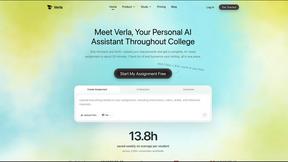
Verla AI
Verla is an AI academic assistant for university and college students, combining AI essay writing, academic research, AI detection, AI humanization

GetYouTubeTranscript
Free YouTube transcripts on the web, a Chrome extension, and an API + MCP server so AI assistants can read YouTube.

layahost
Moderation, routing, intent and scoring for any text over one Jev-compatible API, hosted in the EU.
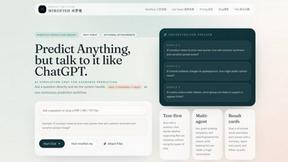
mirofish
MiroFish is an AI simulation chat for scenario prediction. Ask a question in plain language and it runs graph building, multi-agent simulation, and re
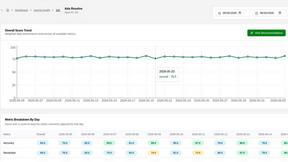



benchmark.directory
An AI tools directory that turns down money. 146 listings, 20 categories, no sponsored placement and no affiliate ordering.
saasgrow.ai
Submit your SaaS growth tool free. Pass screening and get a permanent listing page, a dofollow link, and real visibility.

Tools Network
Tools Network is a curated directory of the best AI tools across 25+ categories. Compare ratings, pricing, and features to find the right one, fast.

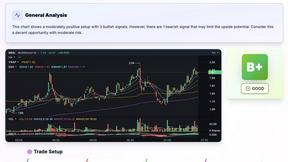
SnapPChart
SnapPChart grades a trading chart screenshot A+ to F, with an entry, stop, targets, and risk/reward. Works on stocks, forex, crypto, futures.






VideoAny BR
Create AI videos from text or images, generate images and audio in one online studio.
About Self-Healing Integrations Alternatives
Self-Healing Integrations, offered by platforms like Plumbed.io, represents a sophisticated category of AI Assistants designed to automate the entire lifecycle of system connectivity. Unlike traditional integration tools that simply build point-to-point connections, this technology employs agentic AI to proactively monitor, diagnose, and repair custom integrations after they go live, ensuring they remain operational without constant human oversight. The core value proposition is the elimination of the "integration tax"—the hidden costs of ongoing maintenance and reactive troubleshooting that plague companies managing custom channels, systems, or partnerships. Users commonly seek alternatives to Self-Healing Integrations due to specific constraints such as pricing models that may not scale with low-volume data flows, a desire for more granular control over the AI’s decision-making logic, or compatibility requirements with legacy on-premise systems that lack modern API support. When evaluating an alternative, look for a platform that offers transparent, usage-based pricing rather than flat fees, provides robust observability dashboards that allow you to audit AI-driven changes, and supports hybrid deployment options for environments requiring strict data residency. The most critical factor is the platform’s ability to maintain a zero-trust security posture while automating repairs, as any compromise in data integrity defeats the purpose of self-healing.
FAQs about Self-Healing Integrations Alternatives
What is Self-Healing Integrations?
Self-Healing Integrations is an AI-managed lifecycle solution for custom system connections, distinct from basic integration builders. It uses agentic AI to not only build integrations but also to continuously monitor, diagnose, and repair them after deployment, preventing downtime without manual intervention. This approach replaces traditional custom integration projects that require ongoing maintenance and reactive fixes.
Who is Self-Healing Integrations for?
This solution is designed for companies that rely on custom integrations requiring ongoing changes, monitoring, and maintenance after go-live. It is particularly valuable for organizations that are paying an 'integration tax'—where every new channel, system, or partner launch becomes slow and expensive due to brittle, hand-coded connections. It serves businesses that need to scale their integration ecosystem without proportional increases in engineering overhead.
Is Self-Healing Integrations free?
The provided product description does not specify a free tier or pricing model. However, the value proposition focuses on eliminating the hidden costs of integration maintenance, suggesting it is a premium service designed to replace expensive custom development projects. Users should contact the platform provider directly for specific pricing details and any available trial options.
What are the main features of Self-Healing Integrations?
The primary feature is an AI-managed lifecycle that handles post-deployment monitoring, proactive issue detection, and automatic remediation of custom integrations. It eliminates the need for manual maintenance by using agentic AI to keep integrations running smoothly after go-live. This reduces the time and cost of launching new channels, systems, or partners by replacing custom integration projects with an autonomous, self-sustaining system.