

Alternatives to Autheo
Autheo is a Layer-0 operating system with an integrated Layer-1 blockchain unifying identity, compute, storage, and AI into one interoperable.
Explore 12 alternatives to Autheo. Compare features, pricing, and find the best fit for your needs.

AI Image Remover
AI Image Remover is a free browser tool for erasing people and objects from photos. Upload an image, brush a mask over the distraction

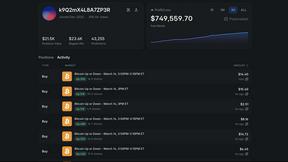
Polymarket Trading Bot For Crypto
This bot automates the proven arbitrage and hedging strategy that scaled $68 to $1.5M on Polymarket's 5-15 minute crypto markets.

Bitcoin Loans Market
Bitcoin Loans Market provides an independent, weekly updated comparison of Bitcoin-backed loans, displaying APR, LTV, custody, and rehypothecation to.

MadeOnSol
MadeOnSol centralizes over 1,000 Solana tools, KOL trades, and real-time intel, empowering users to navigate the Solana ecosystem effortlessly.

Perpfinder
PerpFinder delivers authoritative, research-backed data on volume, fees, and open interest across 30+ crypto perpetual exchanges for informed trading.
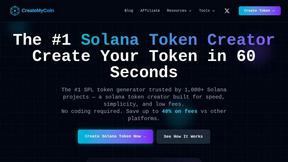
CreateMyCoin
CreateMyCoin enables users to effortlessly launch SPL tokens on the Solana blockchain in just 60 seconds with no coding required.

Collab Chain
Collab Chain creates tamper-proof royalty proof from official statements for secure collaboration.

Indexify
Indexify lets you invest in expert Solana portfolios, backed by transparent on-chain data from over 20,000 traders.

Treno.Finance
Treno.Finance provides professional crypto risk management and DeFi analytics for informed investment decisions.

About Autheo Alternatives
Autheo is a Layer-0 Operating System with an integrated Layer-1 blockchain, categorized within the Blockchain & Crypto sector. It functions as a unified environment that merges identity management, compute resources, storage, developer tooling, and artificial intelligence capabilities into a single interoperable framework. As a foundational infrastructure project, it aims to serve as the backbone for a connected and intelligent web, effectively operating as both an operating system and a decentralized network. Users commonly explore alternatives to Autheo for several strategic reasons, including platform maturity, specific feature requirements, or differing architectural preferences. Some may find that the unified nature of Autheo, while comprehensive, does not align with their need for a more modular or specialized stack where they can select individual providers for identity, storage, or AI. Others may be evaluating factors such as developer ecosystem size, transaction throughput, or the specific consensus mechanisms that better suit their project’s scalability demands. When choosing an alternative, it is critical to assess interoperability standards, the maturity of the developer tooling and documentation, the clarity of the tokenomics model, and the level of community support. Additionally, evaluating how the solution handles data sovereignty and security compliance is essential for enterprise-grade deployments.
FAQs about Autheo Alternatives
What is Autheo?
Autheo is a Layer-0 Operating System with an integrated Layer-1 blockchain designed to unify identity, compute, storage, developer tooling, and AI capabilities within a single interoperable environment. It functions as the foundational layer for a connected and intelligent web, enabling seamless interaction between decentralized applications and artificial intelligence systems.
Who is Autheo for?
Autheo is built for developers, enterprises, and innovators who require a unified infrastructure for building decentralized applications that integrate AI, identity management, and storage. It is particularly suited for teams seeking a cohesive operating system-level environment rather than assembling multiple disparate protocols for compute, identity, and data storage.
Is Autheo free?
While the specific pricing model for Autheo is not detailed in the provided content, blockchain-based operating systems typically involve transaction fees for computational operations on the Layer-1 blockchain. Users may encounter costs related to gas fees for executing smart contracts or deploying applications, though the platform may offer a freemium tier for basic development and testing purposes.
What are the main features of Autheo?
Autheo integrates a Layer-0 Operating System with a Layer-1 blockchain, offering core features that unify identity management, compute resources, storage solutions, and AI capabilities. It provides developer tooling within a single interoperable environment, allowing for the seamless creation of decentralized applications that leverage artificial intelligence and secure identity verification.