Requestly vs Skene
Side-by-side comparison to help you choose the right product.

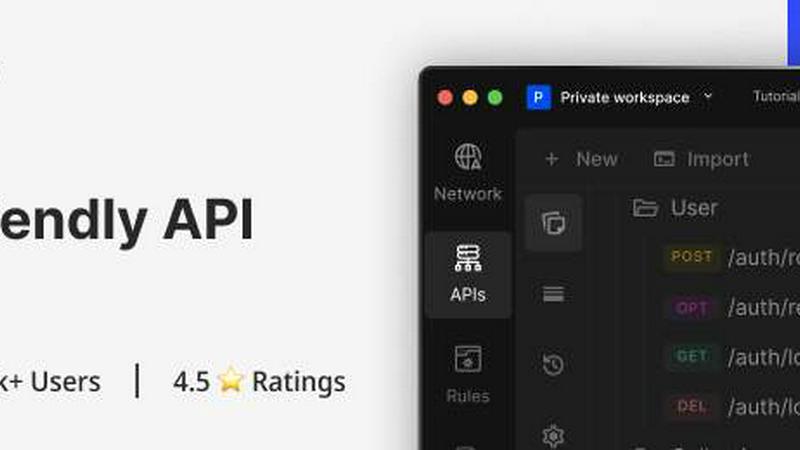
Requestly is a fast, git-based API client that enables easy collaboration without login, making API testing effortless and efficient.

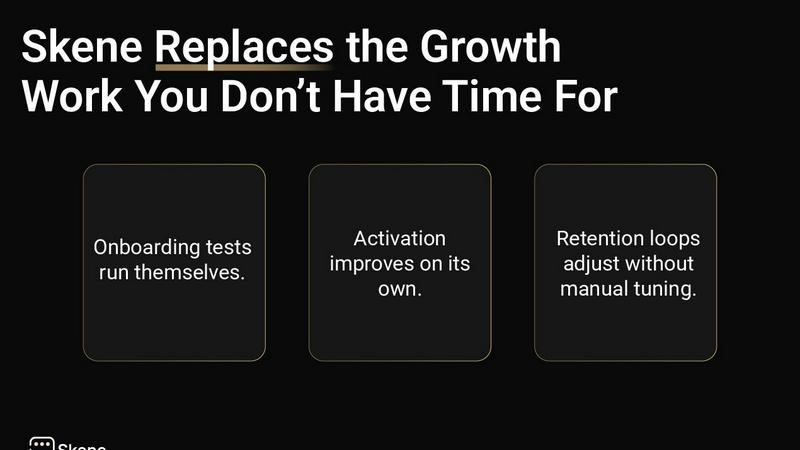
Skene is a code-native growth engine that automates product-led growth directly within your codebase.
Last updated: February 28, 2026
Visual Comparison
Requestly
Skene
Overview
About Requestly
Requestly is a modern, lightweight API client designed specifically for development teams that prioritize control and efficiency in their API workflows. Unlike traditional cloud-based solutions, Requestly operates with a local-first approach, ensuring that your data remains secure and stored directly on your machine. This is a significant advantage for teams looking to maintain version control over their API collections, as Requestly allows collections to be stored as files that can easily integrate with Git. With the power of AI integrated into its core, Requestly not only streamlines the process of writing requests and generating tests but also enhances debugging capabilities, making it faster and easier for developers to work with APIs. It supports both REST and GraphQL, offering features like schema introspection, pre/post request scripts, and environment variables. The platform also encourages collaboration with its free-tier features, which include shared workspaces and role-based access control. With no sign-up required, developers can start using Requestly immediately, a feature that has gained the trust of over 300,000 users from top companies like Microsoft, Amazon, Google, and Adobe.
About Skene
Skene is an AI-powered, fully automated Product-Led Growth (PLG) infrastructure that fundamentally reimagines growth tooling by integrating directly with a product's codebase. It functions as a self-learning growth engine, eliminating the need for external scripts, siloed dashboards, and manual optimization. The platform operates by first analyzing a user's code to understand the product's structure and user flows. It then automatically observes user behavior to detect friction points and drop-offs in critical journeys like onboarding and activation. Using this intelligence, Skene autonomously creates, A/B tests, and deploys improved versions of these flows, continuously optimizing for key metrics like activation and retention without human intervention. Its core value proposition is turning growth into a programmable, owned layer of infrastructure rather than a collection of brittle third-party services. Primarily built for indie developers, early-stage startups, and established PLG companies, Skene serves as a "growth team in a box." It enables technical teams to scale their product's growth loops efficiently without adding headcount or sacrificing the technical control, performance, and data ownership intrinsic to their core product.