
Finsi OS vs Haporium
Side-by-side comparison to help you choose the right product.

Finsi OS
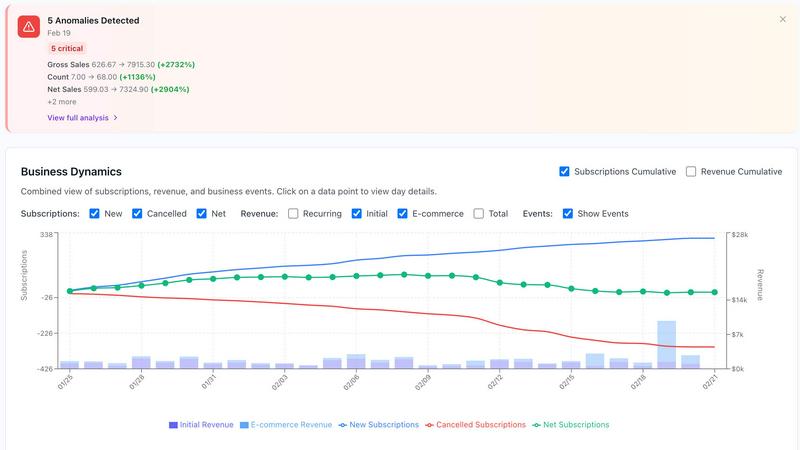
Finsi OS is an AI operating system that boosts e-commerce retention and profitability through automated insights.
Last updated: February 27, 2026

Haporium automatically syncs and organizes your favorites from over 12 platforms into one shareable space.
Last updated: February 28, 2026
Visual Comparison
Finsi OS
Haporium
Feature Comparison
Finsi OS
Profit Intelligence
This module provides a real-time, daily-updated view of a brand's financial health, moving beyond monthly snapshots. It calculates key metrics like unit economics, contribution margin, and a detailed P&L, allowing operators to understand the true profitability of products, customer cohorts, and marketing channels instantly. This data-driven approach enables smarter budgeting and strategic decision-making based on actual profit, not just top-line revenue.
Retention Intelligence & Churn Prediction
Leveraging AI agents, this feature conducts deep cohort analysis and assigns health scores to customers. It identifies at-risk subscribers before they cancel by analyzing behavior patterns across purchase history, engagement, and support interactions. The system can then automatically orchestrate personalized lifecycle campaigns to retain these customers, directly addressing one of the most critical challenges for subscription and DTC businesses.
AI Recommendations Engine
The central nervous system of Finsi OS, this engine synthesizes data from all connected modules to provide a ranked, weekly list of actionable opportunities. Each recommendation specifies what action to take, why it matters, and its estimated revenue impact, eliminating guesswork. This transforms operators from data hunters into strategic executors, focusing effort on high-impact initiatives.
Ads Autopilot & Creative Studio
This feature suite automates and optimizes paid advertising. Ads Autopilot manages Meta and Google Ads campaigns using AI, applying performance rules to pause underperformers and scale winners. The integrated Creative Studio generates fresh ad creatives using AI, offering over 35 hook-angle combinations and detecting creative fatigue to maintain campaign effectiveness and reduce manual creative production time.
Haporium
Multi-Platform Account Integration
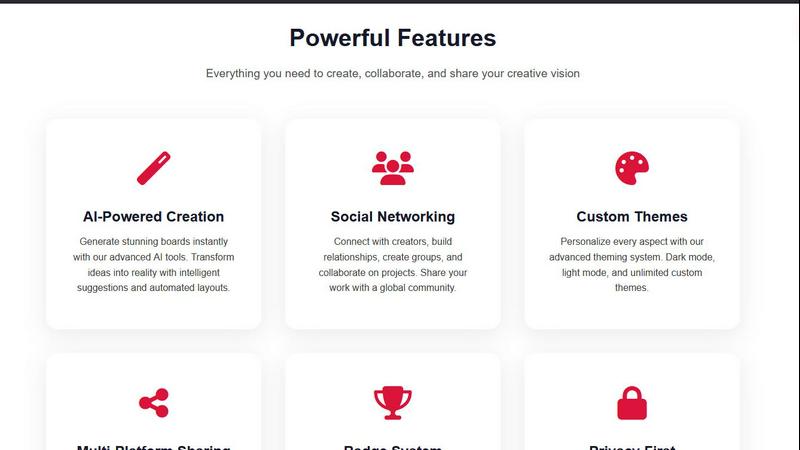
Haporium enables seamless integration with over 15 major content and social platforms, including YouTube, Spotify, Steam, Pinterest, TikTok, and GitHub. This one-click connection process establishes a foundational link, allowing the platform to access and synchronize your existing libraries, playlists, favorites, and game collections. This feature eliminates the manual effort of saving links across different services, creating a centralized repository for all your digital interests. The integration is designed with user privacy and security in mind, ensuring connections are managed responsibly.
Automated Content Synchronization
Once accounts are connected, Haporium's intelligent system automatically imports and updates your content. Your YouTube playlists, Spotify music collections, Steam game library, and pinned items from other platforms are continuously synced into your Haporium account. This ensures your Boards are always current without requiring manual refreshes. This automation is a critical component in solving digital fragmentation, as it passively aggregates content from across your digital footprint into one accessible location.
Customizable and Shareable Boards
The platform's core organizational unit is the "Board." Users can create unlimited Boards for any topic, theme, or project. Within a Board, you can curate and mix content types from all your connected platforms, alongside manual additions like text notes and images. Boards are highly visual and customizable. Furthermore, they offer versatile sharing options: they can be kept private, made public for discovery by the global community, or set as password-protected for selective sharing with friends, colleagues, or clients.
Social Discovery and Collaboration
Haporium extends beyond personal curation into a social discovery ecosystem. Users can browse and explore thousands of public Boards created by others, finding expertly curated collections on niche topics. This feature facilitates knowledge sharing and community building. Additionally, Haporium supports collaborative editing, allowing you to invite friends or team members to contribute to and edit a Board. This makes it a powerful tool for group projects, team research, and building community-driven knowledge bases.
Use Cases
Finsi OS
Reducing Customer Churn Proactively
Subscription brands use Finsi OS to predict which customers are likely to churn. The AI analyzes usage, payment history, and support ticket sentiment, then automatically triggers personalized win-back flows via email or SMS. This shifts retention from a reactive process to a proactive strategy, improving customer lifetime value and stabilizing recurring revenue.
Optimizing Advertising Spend for Profitability
E-commerce brands struggling with CAC use Finsi's unified attribution and Ads Autopilot. The platform identifies which channels and campaigns drive genuinely profitable customers, not just top-of-funnel clicks. AI then automatically reallocates the daily ad budget to the best-performing audiences and creatives, maximizing return on ad spend (ROAS).
Automating Data Reconciliation and Reporting
Marketing and finance teams burdened by manual spreadsheet work connect their core platforms to Finsi OS. The system unifies data from Shopify, Recharge, and ad platforms into a single source of truth, automatically generating daily profit and retention reports. This saves an average of 4 hours per week, freeing teams for strategic work.
Launching Data-Driven Customer Segmentation
Brands can build complex, dynamic customer segments using natural language queries (e.g., "customers who purchased in the last 30 days but haven't opened an email in 7 days"). These segments are instantly pushed to Klaviyo or Meta Ads for targeted campaign execution, enabling highly personalized marketing at scale without technical hurdles.
Haporium
Personal Knowledge Management
Individuals can use Haporium as a powerful second brain or digital commonplace book. Researchers, students, and lifelong learners can aggregate articles, research papers, insightful videos, and podcasts from across the web into thematic Boards. For example, a history student could create a Board for "Cold War Media," syncing relevant documentaries from YouTube, podcasts from Spotify, and academic links, creating a rich, multi-format study resource that is automatically updated as new content is saved to connected accounts.
Creative Project Curation
Artists, writers, designers, and developers can utilize Boards to gather inspiration and manage project assets. A game developer could connect their Steam and GitHub accounts, auto-syncing their library and code repositories, while manually adding concept art from Pinterest and mood-setting music from Spotify into a single "Project Genesis" Board. This consolidates all creative references and assets, streamlining the ideation and development process in one visually organized space.
Community and Fan Engagement
Enthusiasts and community managers can build shared spaces around specific interests. A fan community for a music band could create a public Board that aggregates the band's official YouTube videos, Spotify albums, tour photos, and news articles. Community members can be invited to collaborate, adding their own photos or related content. This creates a dynamic, fan-curated hub that deepens engagement and serves as a central resource for new and existing fans.
Professional Portfolio and Client Collaboration
Professionals such as marketers, consultants, and freelancers can use Haporium to create client-facing portfolios or project dashboards. A digital marketer could build a private, password-protected Board for a client, auto-syncing performance videos from YouTube, curated industry news, and competitor analysis links. This presents work and insights in an interactive, polished format, facilitating transparent and organized communication while demonstrating expertise through curated content.
Overview
About Finsi OS
Finsi OS is an AI Revenue Intelligence platform that functions as a comprehensive operating system for direct-to-consumer (DTC) e-commerce and subscription brands. It is engineered to solve the pervasive problem of data chaos, where operators spend excessive time reconciling information from disparate sources like Shopify, Recharge, Klaviyo, and ad platforms instead of acting on strategic insights. The platform's core value proposition is moving brands from passive observation to proactive, automated execution. It unifies a brand's entire tech stack, applies predictive AI to analyze customer behavior and profitability, and delivers ranked, actionable recommendations. Crucially, Finsi OS doesn't just surface insights; its integrated modules enable automatic execution of retention campaigns, ad management, and personalized marketing, directly impacting key metrics. Built by the team that scaled Scentbird, it encapsulates over a decade of retention expertise. Proven outcomes for users include a 20% average increase in Customer Lifetime Value (LTV), a 50% reduction in customer acquisition costs (CAC), and saving teams an average of four hours weekly on manual reporting, according to pilot customer data.
About Haporium
Haporium is a comprehensive content curation and social discovery platform engineered to address the pervasive issue of digital fragmentation. In today's digital ecosystem, an individual's interests, media, and knowledge are often siloed across a multitude of specialized platforms such as YouTube, Spotify, Steam, Pinterest, and TikTok. This scattering leads to a disjointed and inefficient personal digital experience. Haporium's core value proposition is to serve as a unified digital hub, enabling users to aggregate, organize, and share their digital lives seamlessly. It achieves this by allowing users to connect over 15 social and entertainment accounts, from which content automatically syncs into personalized, visually engaging collections called "Boards." These Boards can mix various content types—links, images, text, and embedded media—into a single, coherent narrative. Designed for a global audience with support for 40+ languages, Haporium caters to a wide spectrum of users, from casual enthusiasts organizing hobbies to professionals building knowledge repositories and collaborative communities. By automating synchronization and offering flexible privacy controls, Haporium transforms disparate digital artifacts into structured, meaningful, and shareable collections, effectively decluttering the modern digital experience.
Frequently Asked Questions
Finsi OS FAQ
What makes Finsi OS different from other analytics dashboards?
Finsi OS is an AI operating system, not just a dashboard. While dashboards display metrics, Finsi OS analyzes unified data to diagnose problems, prescribe specific ranked actions with estimated impact, and provides built-in tools to execute those actions automatically. It closes the loop from insight to outcome, whereas dashboards typically leave the "what to do next" unanswered.
How long does it take to set up and see value from Finsi OS?
Setup is designed for speed; connecting core platforms like Shopify, Recharge, and Klaviyo typically takes minutes. The AI begins analyzing historical data immediately. Pilot customers report receiving their first actionable recommendations within the first week, with measurable impacts on metrics like LTV and time savings often evident within the first billing cycle.
Is my data secure with Finsi OS?
Data security is a paramount concern. Finsi OS uses secure, read-only connections via official APIs to integrate with your existing software stack (e.g., Shopify, Stripe). It employs enterprise-grade encryption for data in transit and at rest. You retain full ownership of your data, and the platform is built with compliance standards for modern SaaS applications.
Can Finsi OS integrate with my existing tech stack?
Yes, Finsi OS is built specifically for seamless integration with the standard DTC and subscription tech stack. It offers native, pre-built connectors for Shopify, Recharge, Klaviyo, Chargebee, Stripe, Meta Ads, Google Ads, and Zendesk, among others. The platform unifies data from these sources to provide a holistic view and coordinated automated actions.
Haporium FAQ
What platforms can I connect to Haporium?
Haporium supports integration with over 15 popular platforms. Confirmed integrations include YouTube, Spotify, Steam, Pinterest, TikTok, and GitHub. The platform is designed to continuously expand its list of supported services. You can connect multiple accounts from these platforms to a single Haporium profile, allowing for comprehensive aggregation of your digital content across entertainment, social media, and productivity services.
Is my data and privacy secure on Haporium?
Haporium employs industry-standard security protocols to protect user data. Account connections to third-party platforms (like YouTube or Spotify) use secure OAuth authentication, meaning Haporium does not store your login credentials for those services. You maintain control over what data is synced and can disconnect any account at any time. The platform's flexible privacy settings for Boards also ensure you decide exactly who can view your curated content.
Can I try Haporium without creating an account?
Yes, Haporium offers a full-featured demo experience that requires no account creation or commitment. You can start a "Demo Board" immediately, experiment with adding various content types, and explore the platform's core functionality. If you decide to continue, you can later transfer the work from your demo board to a permanent account, ensuring no initial effort is lost.
How does the collaboration feature work?
Collaboration in Haporium is facilitated through Board sharing with edit permissions. When you create a Board, you can generate an invite link that grants editing rights to other Haporium users. Invited collaborators can then add, remove, or rearrange content within that Board. This feature is ideal for team projects, group research, co-curating playlists with friends, or building community resources where multiple contributors can share their expertise.
Alternatives
Finsi OS Alternatives
Finsi OS is an AI Revenue Intelligence platform focused on reducing churn and maximizing customer lifetime value (LTV) for direct-to-consumer and subscription brands. It falls into the specialized category of retention automation and predictive analytics software, leveraging AI to identify at-risk customers and execute personalized retention campaigns automatically. Users may explore alternatives for several common reasons. These include budget constraints and specific pricing model preferences, the need for different feature sets or integration capabilities with a unique tech stack, or a desire for a platform that caters to a different business model outside of core DTC e-commerce. The scale of a business, from early-stage startup to large enterprise, can also influence the search for a more tailored solution. When evaluating alternatives, key considerations should include the platform's core AI and predictive analytics capabilities, its depth of integration with your existing commerce and marketing tools, and the level of actionable automation versus manual reporting. The proven impact on critical metrics like LTV, churn rate, and customer acquisition cost (CAC) efficiency, backed by credible case studies, is also a vital benchmark for comparison.
Haporium Alternatives
Haporium is a content curation and social discovery platform designed to centralize a user's digital life. It operates within the broader category of digital organization and social bookmarking tools, helping users aggregate content from over a dozen disparate social and entertainment platforms into a single, organized hub. Users may seek alternatives to Haporium for various reasons, including budget constraints, specific feature requirements not met by the platform, or a need for integration with niche services outside its current scope. The search often stems from a desire for different pricing models, more granular control over automation, or a platform that aligns with particular professional or community-building workflows. When evaluating alternatives, key considerations should include the range of supported platform integrations, the sophistication of automation versus manual control, privacy and data handling policies, and the flexibility of sharing and collaboration features. The ideal tool should effectively bridge the gap between content discovery and organized curation based on individual use cases.