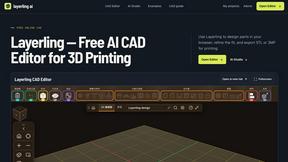
Layerling
Layerling helps makers design and refine 3D printed parts in a browser, from electronics cases to custom brackets, with STL and 3MF export.

Layerling helps makers design and refine 3D printed parts in a browser, from electronics cases to custom brackets, with STL and 3MF export.

Rhinobird helps ecommerce teams make product listing images, advertising creatives, packaging visuals, and product videos from existing assets.

Easemic is an open-source Android manga reader with cloud storage options and on-device encryption for supported services.
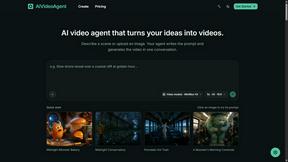
A video creation agent for text and image prompts, with selectable models, downloadable MP4 clips and visible credit costs before generation.
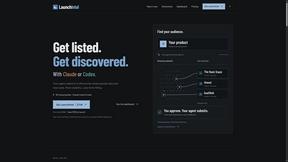
LaunchIntel gives indie makers tested directory guides and an AI-assisted browser workflow for managing product launch submissions.

GenX.art brings AI image, video and audio creation into one workspace, with multiple models and credit estimates before generation.

Bloom helps learners study unfamiliar topics and source documents through planned lessons that respond to their questions and written feedback.

Create short videos from a text prompt or photo, with several models and a visible credit quote before generation.
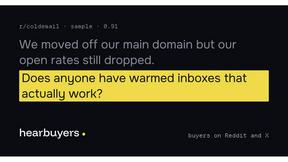
HearBuyers finds Reddit and X conversations that match your product, scores buyer intent and gives teams a draft reply to review.

Create fictional flying Roadster videos from a text prompt or optional photo, then download a silent, watermark-free vertical MP4.

Verla combines rubric-aware assignment generation with reference support, AI writing checks, and revision tools for college and university students.
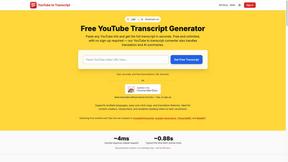
Retrieve YouTube captions in about a second and use the transcript for research, review or AI-assisted analysis.

A Jev-compatible text decision API for developers, with hosted models, branching workflows, and test sets for evaluating classifications.
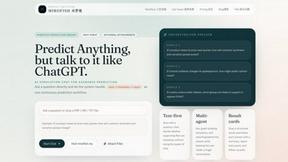
MiroFish simulates how people may react to launches, price changes, policies, and other scenarios through multi-agent conversations and reports.
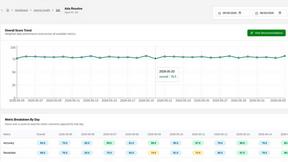
Agent Insight scores AI and human agents against teams’ QA standards, with session-level explanations and conversation examples.
An in-browser face-analysis tool that scores one photo and shows symmetry, facial proportions and measurement confidence.

Estimate whether text resembles AI writing with a free probability score and sentence-level signals for review.

A human-reviewed AI tools directory that organizes listings by category and shows pricing, with no paid placements or pay-to-rank.
A reader-funded index of AI tools with editor testing and practical listing details to help teams compare products beyond their sales pitches.

A screened SaaS directory for founders and operators, with categories, rankings, and a featured tool to guide discovery.
When comparing options, look at whether you need a sourcing tool, a screening workflow, interview support, or all three. Also compare how each product explains candidate fit and how it handles interview records shared across a team. Litespace ties screening and AI interviews to monthly credits, so estimate usage by applicant volume and interview plans before comparing its tiers with tools that price around other recruiting needs.
Choose based on whether candidate discovery is the main gap or whether screening and interview preparation also need support.
Compare the monthly allowance with expected resume screens and interviews, and confirm how unused or extra credits are handled.